


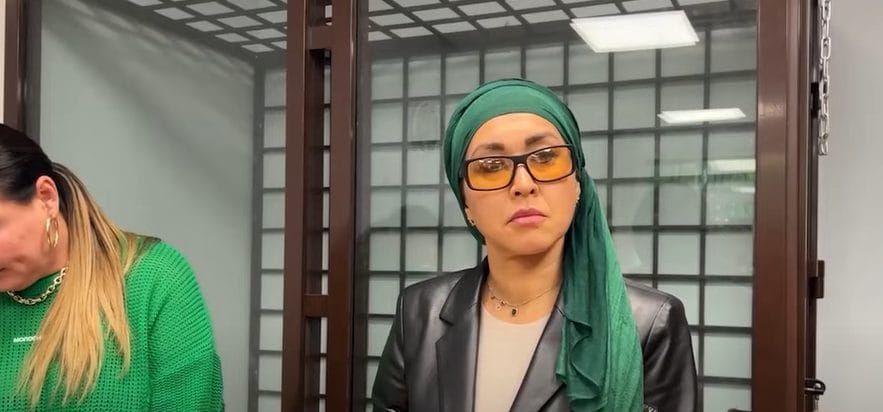
A Russian court has sent a Finiko executive to prison for three years, after finding her guilty of helping to mastermind the biggest crypto scam in “post-Soviet history.”
Per Izvestia, Liliya Nurieva, the former head of networks at Finiko, was handed a four and a half year term at a court in Vakhitovsky, Kazan on May 17.
However, the court said it would consider the time she had already spent in pre-trial custody as “time served.”
The judge rejected prosecutors’ requests to jail Nurieva for six and a half years.
Finiko Crypto Scam: First Exec Jailed
The media outlet explained that Nurieva had been facing a 10-year jail term before her trial.
But, it revealed, the former executive struck a “pre-trial agreement” with prosecutors.
The executive’s lawyer told media representatives that Nurieva intended to appeal the sentence. She was found guilty of fraud and organized crime-related offences.
Finiko launched in 2018 as a supposed crypto “investment fund.”
The country’s Central Bank thinks that the firm duped citizens out of about $1.1 billion. Much of this money is yet to be recovered.
The project began to unravel in 2021, after which many of the Finiko masterminds fled overseas.
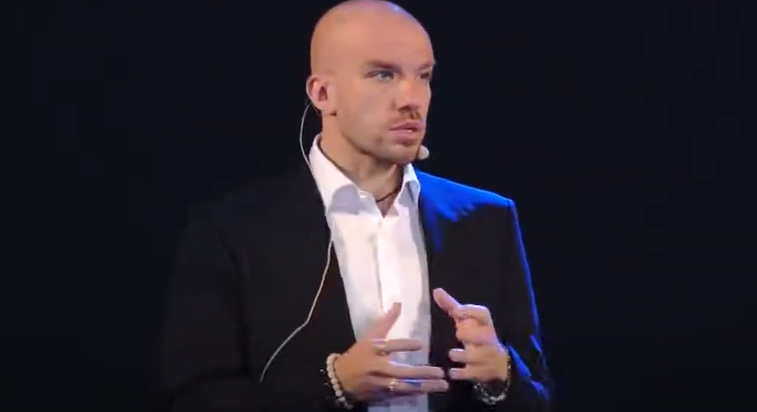
After an extended international manhunt, Interpol arrested co-founder Edvard Sabirov in the UAE in late 2022.
Co-founder Kirill Doronin, the “public face” of the operation, was arrested in mid-2021.
But Nurieva remains the first Finiko executive to have been found guilty and sentenced.
Finiko told investors it operated an “automated profit-generating system” that guaranteed customers profits of “up to 30%” on stakes of $1,000 or above.
The firm also ran a range of borrowing and financing services, all with extremely generous rates.
Finiko gathered funds from its customers using Bitcoin (BTC). It also issued its own cryptoasset.
Firm Used Ponzi Methods, Court Hears
Prosecutors think the company used newer clients’ money and crypto to pay older investors.
However, its platforms became unstable in mid-2021. Customers complained of late payments for much of the first part of the year.
In June, payments were halted altogether. The value of its coin tanked. And Finiko offices throughout the country closed “almost overnight.”
The Finiko executives have since blamed one another for the collapse. But during its heydey, Finiko was a huge hit on social media.
Investors Attend Court Hearing
Initial reports claimed that almost 10,000 people may have invested their money on Finiko platforms.
The firm was given a veneer of authenticity through the well-spoken Doronin.
Sabirov, meanwhile, is the former business partner of Russia’s ex-Communications Minister Nikolai Nikiforov.
Nuriyeva’s lawyer told the court that her client had no idea that Finiko was a scam when she joined the company.
The lawyer added that Nuriyeva had even invested her own money in the company, and only realized it was fraudulent “during her later communication with senior executives.”
Several Finiko investors attended the trial. Izvestia quoted one of them, Lyudmila Yamshchikova from Kazan, as explaining:
“At one point the [Finiko] payments stopped. They just stopped, all of a sudden. I invested almost [$11,000]. I was counting on the payments, as I was using them to pay off my mortgage. Half of our city bought apartments, cars, and took out loans because of Finiko. But then the withdrawals just dried up.”
Credit: Source link


